Not All Salt is Created Equal: The Truth About Table Salt
Every cell in the human body requires salt. This mineral plays an important role in maintaining healthy bone density, stabilizing blood sugar levels, and supporting proper circulation. Considering how essential it is, why does salt often have such a negative reputation?
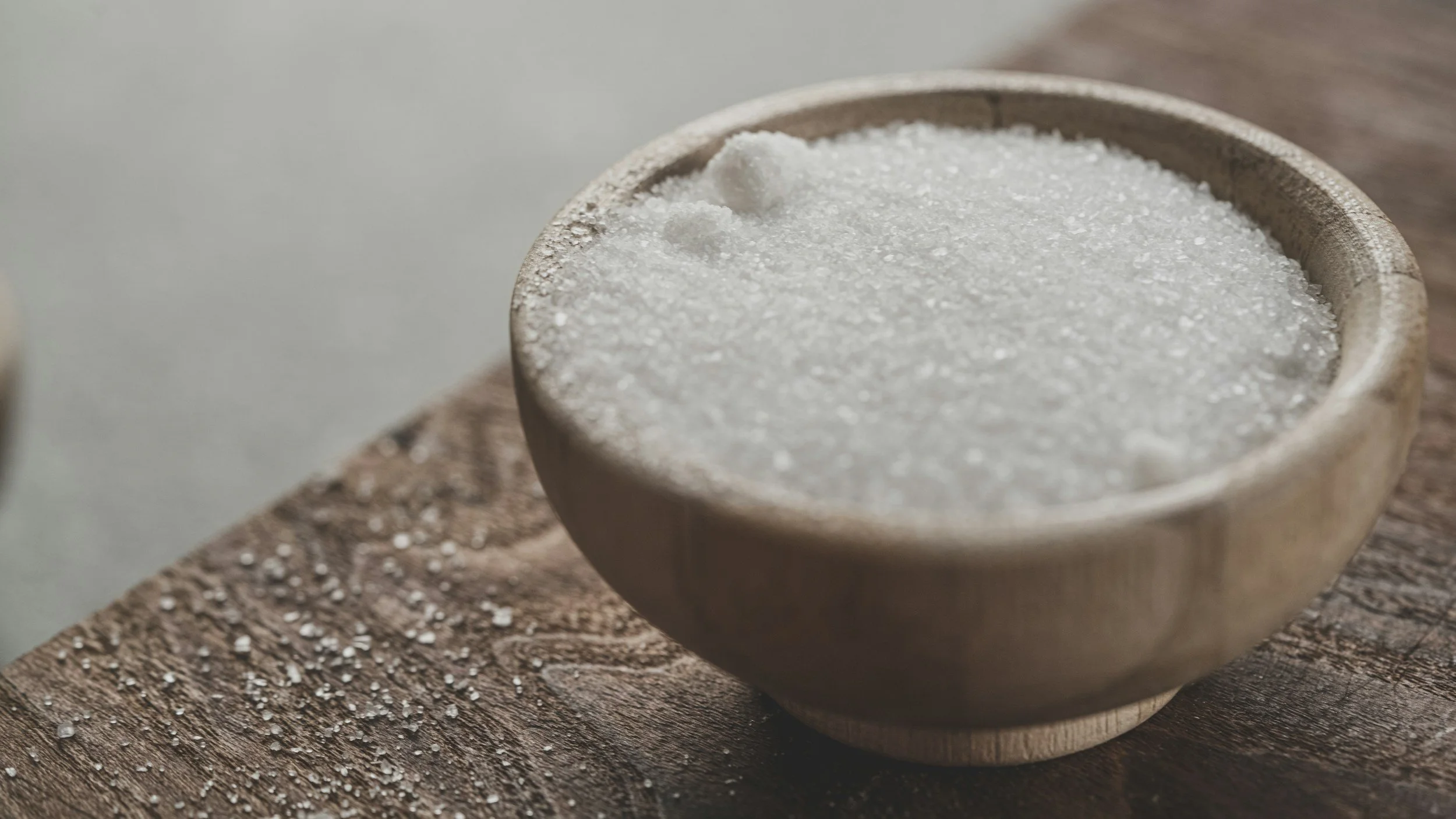
“Table salt” is a manufactured form of sodium known as sodium chloride. Although it resembles naturally occurring salts such as crystal, rock, or sea salt, table salt essentially mimics their taste rather than containing the same natural composition.
To produce table salt, natural salt, or sometimes flakes left over from crude oil processes, is heated to extremely high temperatures, around 1200°F. When salt is exposed to this level of heat, it loses the majority of the approximately eighty naturally occurring elements that would otherwise be present. In contrast, other forms of sodium such as sea salt or Himalayan salt are typically harvested and then dried naturally in the sun. Because they are not subjected to the same high-heat processing, they retain more of their natural components. These salts are often considered healthier because they may help keep the body hydrated, support a proper sodium-potassium balance, and provide electrolytes. They also contain trace amounts of elements that may support thyroid health, immune function, and adrenal activity—components that are believed to be removed during the manufacturing of table salt. Additionally, natural salt may support the production of digestive enzymes and stomach juices, which help the body extract and absorb vitamins and nutrients from the foods we eat.
If table salt is stripped of many of its natural nutrients during processing, what exactly does it contain? Many commercially available table salts include synthetic additives. These may include substances such as manufactured forms of sodium solo-co-aluminate, iodide, sodium bicarbonate, fluoride, anticaking agents, and potentially toxic levels of potassium iodide and aluminum derivatives. Natural forms of iodine—which are essential for thyroid health—are believed to be lost during the refining process. Without adequate iodine, thyroid function can become impaired, which may lead to metabolic and growth issues. To compensate for this loss, the chemical-based salt industry began adding synthetic iodine compounds back into refined salt products.
Some salts may also contain additives such as processed white sugar or MSG (mono-sodium-glutamate). MSG has been linked to conditions including obesity, thyroid problems, diabetes, and asthma. In addition, table salt is sometimes described as being colored white through bleaching processes, even though salt in its natural form is not always bright white. A significant portion of table salt is also said to originate from the flaky residue left behind from oil drilling processes.
Table salt is often associated with rapid increases in blood pressure because the body attempts to move potentially toxic elements away from the heart through circulation. This is one reason doctors often advise individuals with high blood pressure to monitor their salt intake. Chronic conditions such as diabetes, gout, and obesity may also worsen with excessive consumption of table salt. Many packaged and processed foods contain extremely high amounts of refined salt, which can contribute to health concerns affecting the kidneys, liver, and thyroid. These issues may include goiters, edema, hypertension, heart disease, muscle cramps, water retention, strokes, premenstrual syndrome (PMS), heart failure, and even anxiety or depression.
Because of these concerns, some people believe it is important to choose natural forms of salt instead of refined table salt. However, it is also important to ensure that natural salt products are properly tested. Certain popular brands—such as Redmond salt—have reportedly shown elevated levels of lead and other toxic metals during third-party testing. Therefore, when selecting a natural salt product, it is recommended to confirm that the brand has undergone independent testing to verify its safety.
Different Types of Salt
Sea Salt:
Where it comes from:
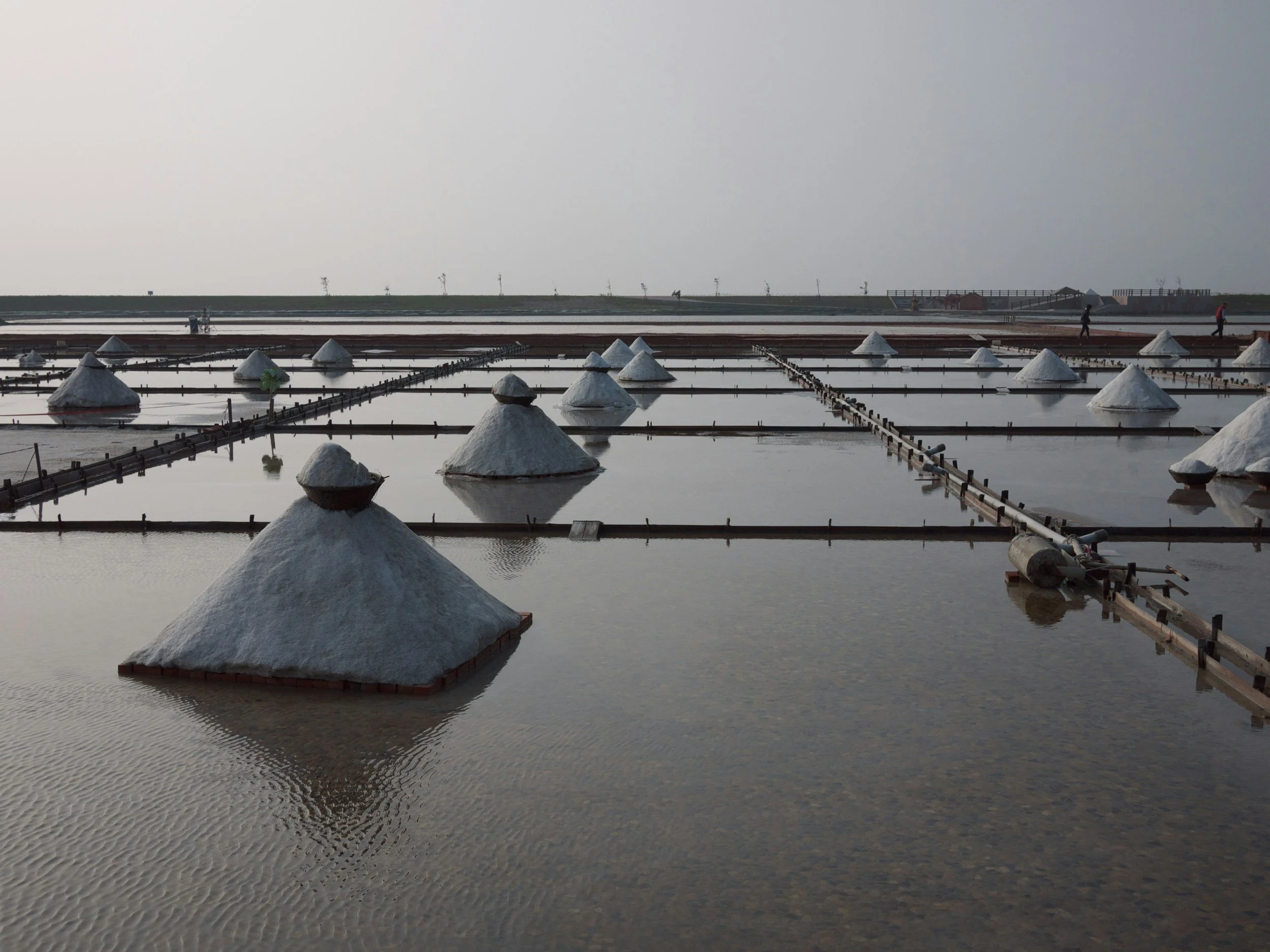
Sea salt is made by collecting seawater in shallow pools and allowing the water to evaporate in the sun. Once the water evaporates, salt crystals remain and are collected.Common brands:
Celtic, Maldon, and Fleur de Sel.Concerns:
Because it comes from the ocean, sea salt may contain microplastics caused by ocean pollution. These tiny plastic particles can build up in the body over time and have been linked to inflammation and hormone disruption.There is also the possibility of environmental contaminants such as heavy metals, mercury, oil pollution, or industrial waste entering the ocean and eventually the salt. Some studies have found small amounts of microplastics even in well-known sea salt brands.
Processing can vary. Some sea salts are minimally processed while others may be treated or refined.
Pros:
Sea salt forms naturally through evaporation and can contain small amounts of trace minerals when it is unrefined.Salt Bed Salt:
Where it comes from:
This salt comes from ancient seabeds that dried up millions of years ago and are now buried deep underground. It is usually mined using machinery or sometimes harvested by hand.Example brand:
Redmond Real Salt from Utah.Concerns:
There are generally fewer concerns reported with this type of salt.Pros:
Because it formed long before modern ocean pollution, it is often described as free of microplastics. It is also mined deep underground, which may protect it from surface contamination.Some companies report testing their salt for radiation and other contaminants. This type of salt is also known for containing many naturally occurring trace minerals, and many people prefer its mild, slightly sweet flavor.
Mined Rock Salt:
Where it comes from:
Rock salt is mined from large underground salt deposits. Mining often uses drilling and blasting to break up the salt before it is collected.Example:
The Khewra Salt Mine in Pakistan, which produces most Himalayan pink salt.Concerns:
Some mining methods use explosives, which may leave small chemical residues behind. There are also reports that certain rock salts can trigger airport security scanners due to these residues.Rock salt may also contain microplastics or environmental contaminants depending on the location and conditions where it was mined.
Another concern is limited transparency about testing for contaminants or heavy metals. While Himalayan salt is often marketed as very pure, some critics believe the extraction process may affect its quality.
Pros:
Rock salts like Himalayan pink salt contain trace minerals that contribute to their color and unique flavor.Refined Table Salt:
How it’s made:
Table salt usually comes from underground salt deposits and is heavily refined to create very pure sodium chloride.Examples:
Morton and many other common grocery store brands.Concerns:
During the refining process, most naturally occurring minerals are removed, leaving mainly sodium and chloride.Table salt is often fortified with iodine to help prevent iodine deficiency. It may also contain anti-caking agents that keep the salt from clumping together.
Some critics believe refined salt may contribute to inflammation or fluid imbalance when consumed in high amounts.
Pros:
Refined salt can also be useful for household purposes.It works as a gentle abrasive cleaner, helping remove grime from surfaces like cast iron pans, mugs, or glass coffee pots.
Salt can also help remove stains, such as grease spills, wine stains, or sweat stains, when applied quickly.
Because it absorbs moisture and odors, salt can also be used as a natural deodorizer for carpets, shoes, or cutting boards
Consider this….
How can we push for greater transparency in the food industry when it comes to the ingredients in our everyday foods, like salt?
How can we educate ourselves and others about the risks of synthetic additives in food, and create a shift towards healthier alternatives?
How can we hold the food industry accountable for the additives and chemicals they use in everyday products like salt?